2026-08-01 · Dave Kessler · 4 min read
Can a Radon System Affect Basement Moisture?
People hope the new pipe will “suck the smell out.” Sometimes the smell was the open sump. Sometimes it was the wall.
What the fan is doing
Sub-slab depressurization lowers pressure in the gravel or soil under the concrete so radon moves into the pipe instead of the room. The air in that pipe is a small stream from under the slab, not the air of your family room. It will not dehumidify a 1,200-square-foot cellar.
Where the jobs touch
- An open sump is a radon hole and a water-surface humidifier. A gasketed lid helps both, if the pump still works.
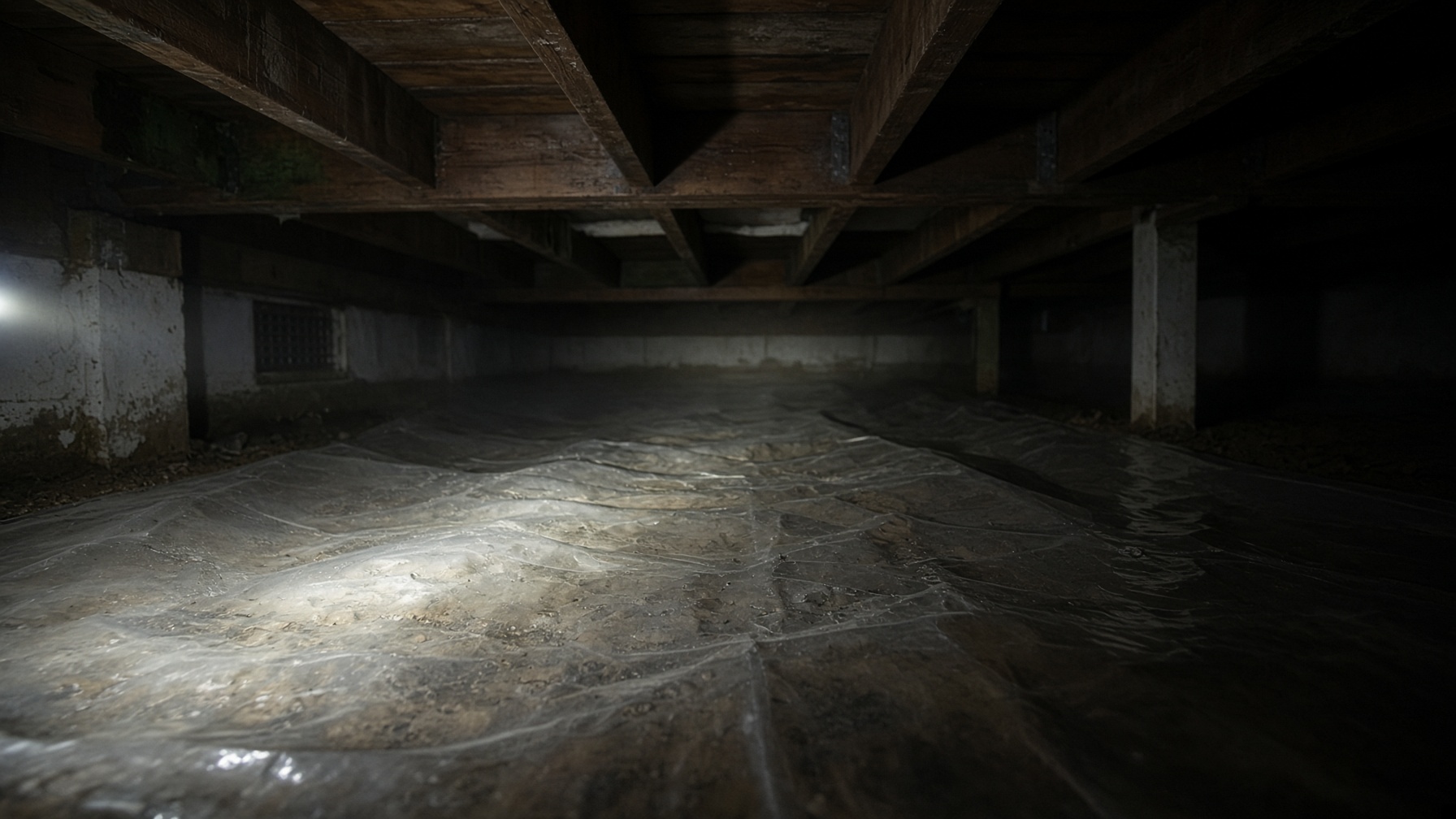
- A crawl membrane for crawl-space mitigation also caps soil moisture — if seams are sealed and bulk water is gone.
- We will not exhaust a fan into a soffit or a dryer vent, and we will not use the radon pipe as a mold vacuum.
- If your dehumidifier drains into the sump, the lid needs a sealed penetration, not a lid left ajar.
When to pause one job for the other
If the carpet is wet or the joists are furry, say so before installation day. We can still test radon. Building a system while standing in standing water is how details get rushed. The longer version is mold and radon in the same house.
Questions people also ask
+Can a radon fan make mold worse?
+Should I run the dehumidifier if I have a radon system?
These pages are homeowner education from Radon Mitigation of York, written by Dave Kessler. They are not a medical diagnosis, a species identification, or an insurance determination. Color does not tell you which mold you have. If someone in the house is sick, talk to a physician. EPA's homeowner guidance treats roughly 10 square feet as the line where many people stop DIY cleanup and call a remediation crew — sooner if sewage, HVAC, or anyone immunocompromised is involved. We are a radon and basement crew. When we are already under a York house we will tell you what we see and what we would do in our own place. We do not pretend a radon fan is a mold remedy.