2026-07-14 · Dave Kessler · 4 min read
Does Black Mold Make You Sick?
I will not diagnose you from a photo of a joist. I can tell you what color does not mean.
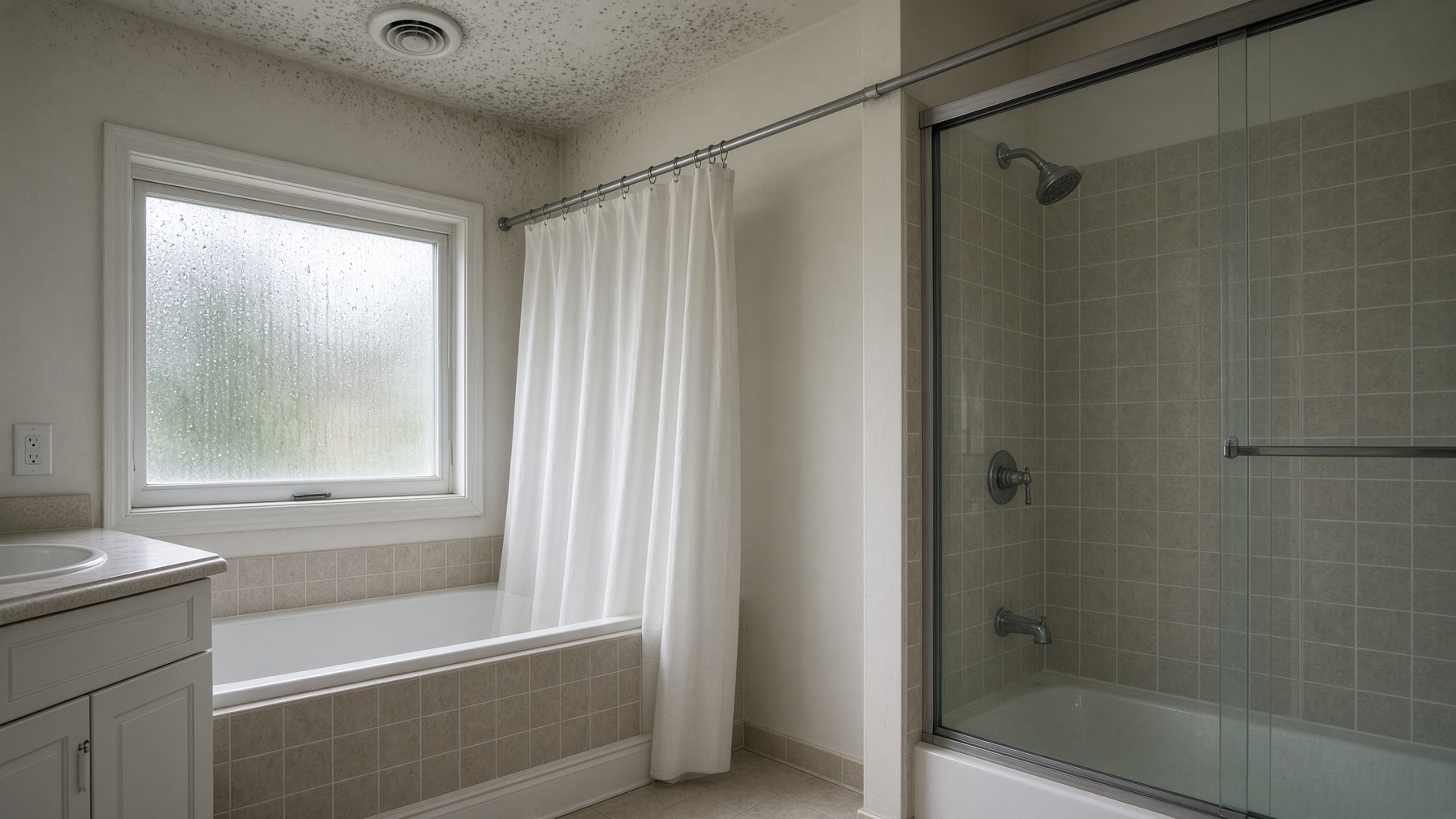
Color is a terrible lab
Lots of molds are black. So is dirt, soot, and old caulk dye. Stachybotrys chartarum, the species people mean, prefers chronically wet paper and wood. It is not the only thing that can make a basement unpleasant, and a green colony on a joist is not “the safe kind.” The myths page goes further.
Symptoms people actually report
CDC describes irritation of eyes, skin, nose, throat, and lungs, and asthma flares. Headaches and fatigue get blamed on mold constantly; they also get blamed on poor sleep, CO, and a closed-up house. I am not the person to sort that. A physician is. What I can say is that sleeping in a musty finished basement while you collect more opinions is a bad experiment, especially for a kid with asthma.
What I would do in my own house
Stop the water, throw out ruined porous stuff, clean hard surfaces, dry the room below 60% humidity, and see whether the building smells like a building again. If someone is immunocompromised, skip the DIY chapter and hire a crew. Insurance and fear are covered in the insurance questions — still not medical advice.
Questions people also ask
+Should I get a blood test for black mold?
+If I feel fine, can I ignore it?
These pages are homeowner education from Radon Mitigation of York, written by Dave Kessler. They are not a medical diagnosis, a species identification, or an insurance determination. Color does not tell you which mold you have. If someone in the house is sick, talk to a physician. EPA's homeowner guidance treats roughly 10 square feet as the line where many people stop DIY cleanup and call a remediation crew — sooner if sewage, HVAC, or anyone immunocompromised is involved. We are a radon and basement crew. When we are already under a York house we will tell you what we see and what we would do in our own place. We do not pretend a radon fan is a mold remedy.