2026-07-16 · Dave Kessler · 4 min read
What We Look for on a Radon Visit
We are there for the gas. The house still shows us the water.
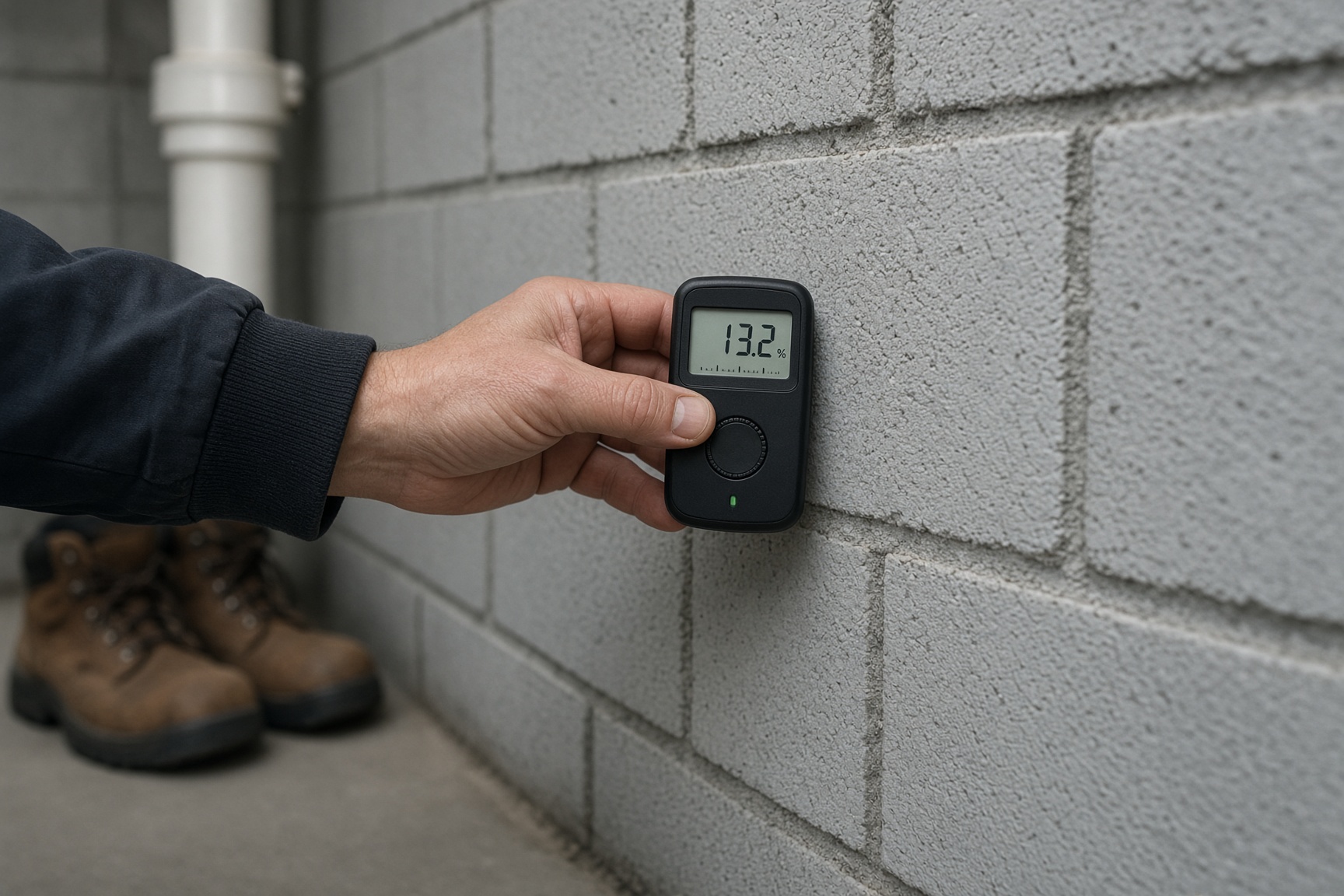
The overlap list
- Sump open or covered, and whether a hose defeats the lid.
- Crawl: soil, plastic, standing water, hung insulation.
- Active drips, well covers, and downspout ends we can see without trespassing.
- Smell at the door, and whether it matches a drain or a damp wall.
- A manometer later — suction is not dryness.
Walk it yourself with the checklist.
What the visit is not
Not a mold lab, not an insurance inspection, not a structural letter. If you want those, hire them. If you want radon testing or a system, that is the appointment. Mention moisture when you call so we bring the right expectations and enough time.
After we leave
You will get a radon scope in plain language. If we saw something damp, you will also get a sentence you can act on: extend that spout, lose that carpet, open that crawl before anyone quotes encapsulation over a pond. No fogger on the invoice.
Questions people also ask
+Will you write a mold report?
+Can you fix both the same day?
These pages are homeowner education from Radon Mitigation of York, written by Dave Kessler. They are not a medical diagnosis, a species identification, or an insurance determination. Color does not tell you which mold you have. If someone in the house is sick, talk to a physician. EPA's homeowner guidance treats roughly 10 square feet as the line where many people stop DIY cleanup and call a remediation crew — sooner if sewage, HVAC, or anyone immunocompromised is involved. We are a radon and basement crew. When we are already under a York house we will tell you what we see and what we would do in our own place. We do not pretend a radon fan is a mold remedy.