2026-09-01 · Dave Kessler · 4 min read
Mold on Concrete Block and Fieldstone
The wall is masonry. The food is the dust, the paint, and the cardboard you leaned on it.
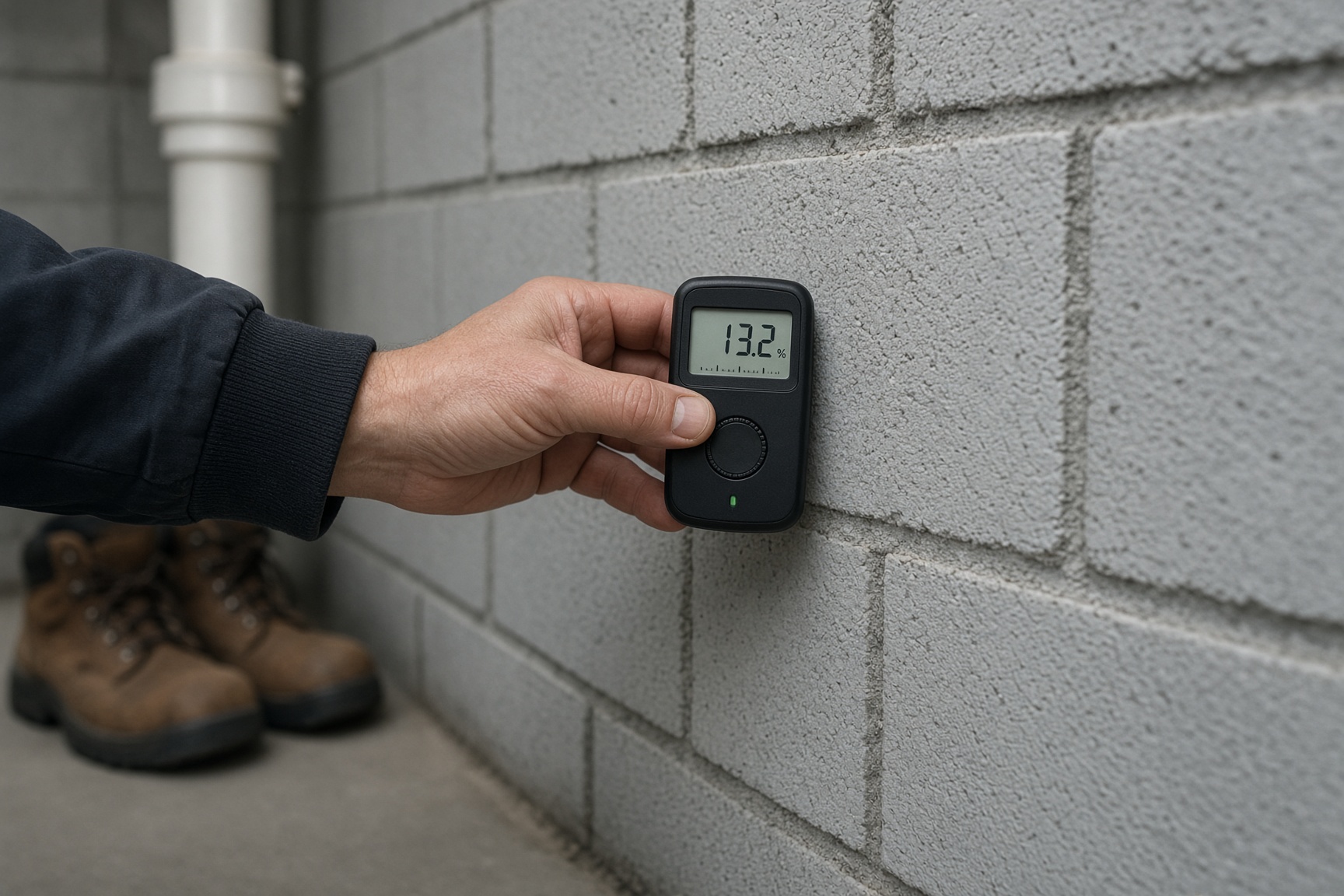
Food on a rock
Fieldstone cellars downtown and block walls everywhere else grow colonies on the film of dust, on flaking limewash, and on furring strips someone nailed on in 1986. The stone is the cold surface. The wood is the meal.
Cleaning without a flood
Brush loose growth into a damp wipe or a HEPA vacuum if you have one, scrub with detergent, and dry. A hose in the cellar is how people “clean” and then run a dehumidifier for a month. You do not need the wall dripping.
Efflorescence versus mold
White, crystalline, crusty deposits that crush to powder are usually salts. They wipe off and return if water keeps moving. They are not a species. They are a map of moisture. Treat the water, not the powder, and do not seal them under paint the same day.
Questions people also ask
+Should I parge a stone wall to stop mold?
+Can I leave the stone bare?
These pages are homeowner education from Radon Mitigation of York, written by Dave Kessler. They are not a medical diagnosis, a species identification, or an insurance determination. Color does not tell you which mold you have. If someone in the house is sick, talk to a physician. EPA's homeowner guidance treats roughly 10 square feet as the line where many people stop DIY cleanup and call a remediation crew — sooner if sewage, HVAC, or anyone immunocompromised is involved. We are a radon and basement crew. When we are already under a York house we will tell you what we see and what we would do in our own place. We do not pretend a radon fan is a mold remedy.